

 Send Inquiry
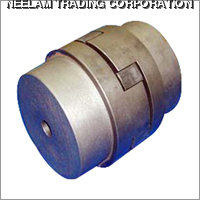
Grid Coupling
Price 350 INR/ Unit
Grid Coupling Specification
- Max. Speed
- Up to 7000 RPM
- Connection
- Flexible grid inserted between two coupling hubs
- Head Code
- Standard
- Bore
- Pilot or finished bore as per requirement
- Torque
- Up to 17000 Nm, depending on size
- Thread
- Non-threaded, keyway provided as per design
- Sealing
- Optional rubber cover for dust and grease protection
- Material
- Stainless Steel
- Structure
- Flexible grid coupling with two hubs and a metallic grid
- Standard
- AGMA, ISO, DIN standards compliant
- Inner Diameter
- Customizable from 20 mm up to 200 mm
- Product Type
- Grid Coupling
- Outer Diameter
- Varies by model, typically 80 mm to 340 mm
- Color
- Silver
- Application
- Industrial
- Surface Treatment
- Other
- Technique
- Machined from high-strength steel or cast iron
- Shape
- Cylindrical with grid profile
- Temperature Range
- -20C to +100C
- Lubrication
- Grease lubricated, with optional seal cover
- Misalignment Capability
- Accommodates angular, parallel, and axial misalignments
- Vibration Damping
- Effective damping of shock and vibrations
- Mounting Type
- Horizontal split cover for easy installation and inspection
- Maintenance
- Easy grid replacement and lubrication without removing hubs
- Service Life
- Long, with periodic lubrication
Grid Coupling Trade Information
- Minimum Order Quantity
- 100 Units
- Delivery Time
- 3 Days
About Grid Coupling
The Grid Coupling is made of high-quality stainless steel, which makes it strong, durable, and resistant to corrosion. The coupling consists of two hubs with teeth that mesh with a grid made of spring steel. This grid absorbs shock loads and compensates for misalignment, allowing the shafts to rotate smoothly without any excessive wear or damage.
One of the key features of the Grid Coupling is its easy installation and replacement, which saves time and effort during maintenance and repair. Additionally, its rugged design and dimensional accuracy make it a reliable and long-lasting solution for industrial applications.
As a leading manufacturer, supplier, and exporter of Grid Coupling, we offer a range of specifications to meet the diverse needs of our clients. Our couplings are engineered using advanced machinery and premium quality raw materials to ensure high performance, reliability, and durability. With our expertise and knowledge in this domain, we are committed to delivering the highest quality products and services to our customers.
FAQ of Grid Coupling:
Q: What is a Grid Coupling?
A: A Grid Coupling is a type of mechanical coupling used to connect two rotating shafts in industrial applications. It consists of two hubs, which are attached to each shaft, and a flexible grid or spring element that connects the hubs.
Q: What materials are Grid Couplings made of?
A: Grid Couplings are typically made of durable and corrosion-resistant materials such as stainless steel, cast iron, and aluminum.
Q: What color are Grid Couplings?
A: Grid Couplings are typically silver in color due to the use of stainless steel in their construction.
Q: What are the advantages of using Grid Couplings?
A: Grid Couplings offer several advantages over other types of couplings, including high torque capacity, excellent vibration damping, and easy installation and maintenance.
Q: What applications are Grid Couplings used for?
A: Grid Couplings are used in a wide range of industrial applications, including power generation, steel production, chemical processing, and more.
Q: Can Grid Couplings be customized to fit specific applications?
A: Yes, Grid Couplings can be customized to fit specific applications based on factors such as torque requirements, shaft size, and environmental conditions.
Q: How do I select the right Grid Coupling for my application?
A: Selecting the right Grid Coupling for your application involves considering factors such as torque capacity, misalignment compensation, and maintenance requirements. It is best to consult with a knowledgeable supplier or engineer to ensure you choose the right coupling for your specific needs.
Superior Vibration and Shock Absorption
These grid couplings are engineered to effectively dampen vibrations and absorb sudden mechanical shocks. The flexible metallic grid transmits torque while allowing for movement, thereby protecting machinery and reducing maintenance requirements due to excessive vibration or misalignment.
Effortless Maintenance and Inspection
Featuring a horizontal split cover, the couplings simplify routine inspections and grid replacement. Lubrication maintenance is straightforward, with grease applied easily without the need to remove the hubs. Optional seal covers and rubber dust protection ensure longer operational life.
Durable Construction and Customizable Fit
Manufactured from high-strength stainless steel and optionally treated with phosphate or black oxide coating, these couplings offer superior corrosion resistance. The grid profile, bore dimensions, and overall structure can be tailored to meet specific industrial needs, supporting varied shaft sizes and torques.
FAQ's of Grid Coupling:
Q: How do grid couplings accommodate misalignment in industrial setups?
A: Grid couplings are designed to accommodate angular, parallel, and axial misalignments between connected shafts. Their flexible grid structure allows movement within the specified tolerance range, maintaining efficient power transmission while protecting machinery from stresses caused by misalignment.Q: What benefits does the grid coupling's vibration damping capability offer?
A: The grid coupling's effective vibration and shock damping reduces operational noise, minimises mechanical wear, and protects connected equipment from unexpected loads. This results in improved reliability and extended service life of the machinery.Q: When should periodic lubrication be performed on these couplings?
A: Lubrication intervals depend on operating conditions such as load, speed, and environment. In most applications, lubrication should be checked and replenished during scheduled maintenance, typically every 6 to 12 months, to ensure optimal performance and longevity.Q: Where are these grid couplings most commonly used?
A: These couplings are widely utilized in industrial environments including manufacturing plants, refineries, and power generation facilities where high torque transmission, flexibility, and shock absorption are required.Q: What is the process for replacing the grid or performing maintenance?
A: Maintenance is simplified by the horizontal split cover design. To replace the grid or apply grease, simply remove the split cover, access the grid element, perform the necessary action, and reassemble. Hubs remain in place, minimizing downtime and labor.Q: How does the optional seal cover improve coupling performance?
A: The optional seal cover provides additional protection by preventing dust and contaminants from entering the coupling and retaining lubrication. This enhances service life and reduces the frequency of maintenance interventions.Q: What industrial advantages do the stainless steel construction and surface treatments provide?
A: Using high-strength stainless steel and surface treatments like phosphating or black oxide coating delivers excellent resistance to wear, corrosion, and harsh environmental conditions. This ensures reliable operation in demanding industrial scenarios.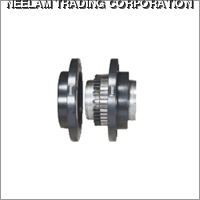

Price:
- 50
- 100
- 200
- 250
- 500
- 1000+

More Products in Metal Couplings Category
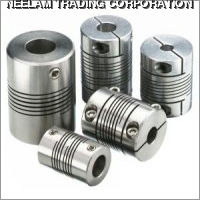
Multi Beam Coupling
Price 110 INR / Perch
Minimum Order Quantity : 100 Units
Shape : Other, Cylindrical
Outer Diameter : 19 mm to 25 mm
Bore : 6 mm to 16 mm (customizable)
Application : Industrial
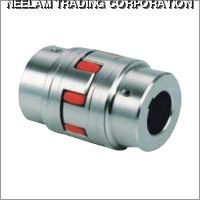
KTR Precision Engineered Coupling
Price 340 INR / Number
Minimum Order Quantity : 100
Shape : Other, Cylindrical
Outer Diameter : Varies, typically 20mm to 80mm
Bore : Customized as per shaft size
Application : Industrial
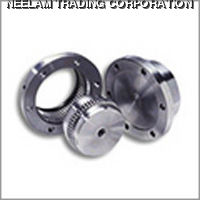
Gear Coupling
Price 300 INR / Unit
Minimum Order Quantity : 100 Units
Shape : Round
Outer Diameter : As per design
Bore : Customized as per shaft size
Application : Industrial
Jaw Coupling
Price 500 INR / Piece
Minimum Order Quantity : 100 Units
Shape : Other, Round with jaw profile
Outer Diameter : 30 mm to 145 mm (depending on size)
Bore : Pilot bore; customizable as per shaft size
Application : Industrial


- 30, GROUND FLOOR, 38 BIBIJAN STREET, PYDHONIE, MANDIV,Mumbai - 400003, Maharashtra, India
- Phone : 08045801459
GST : 27AAFFN9696J1ZF

- Mr. Sandeep R. Shah (Partner)
- Mr. Rajendra C. Shah (Proprietor)
- Mobile : 08045801459
- Send Inquiry
 Send Inquiry

Developed and Managed by Infocom Network Private Limited.
